A Nepali Cultural Wedding
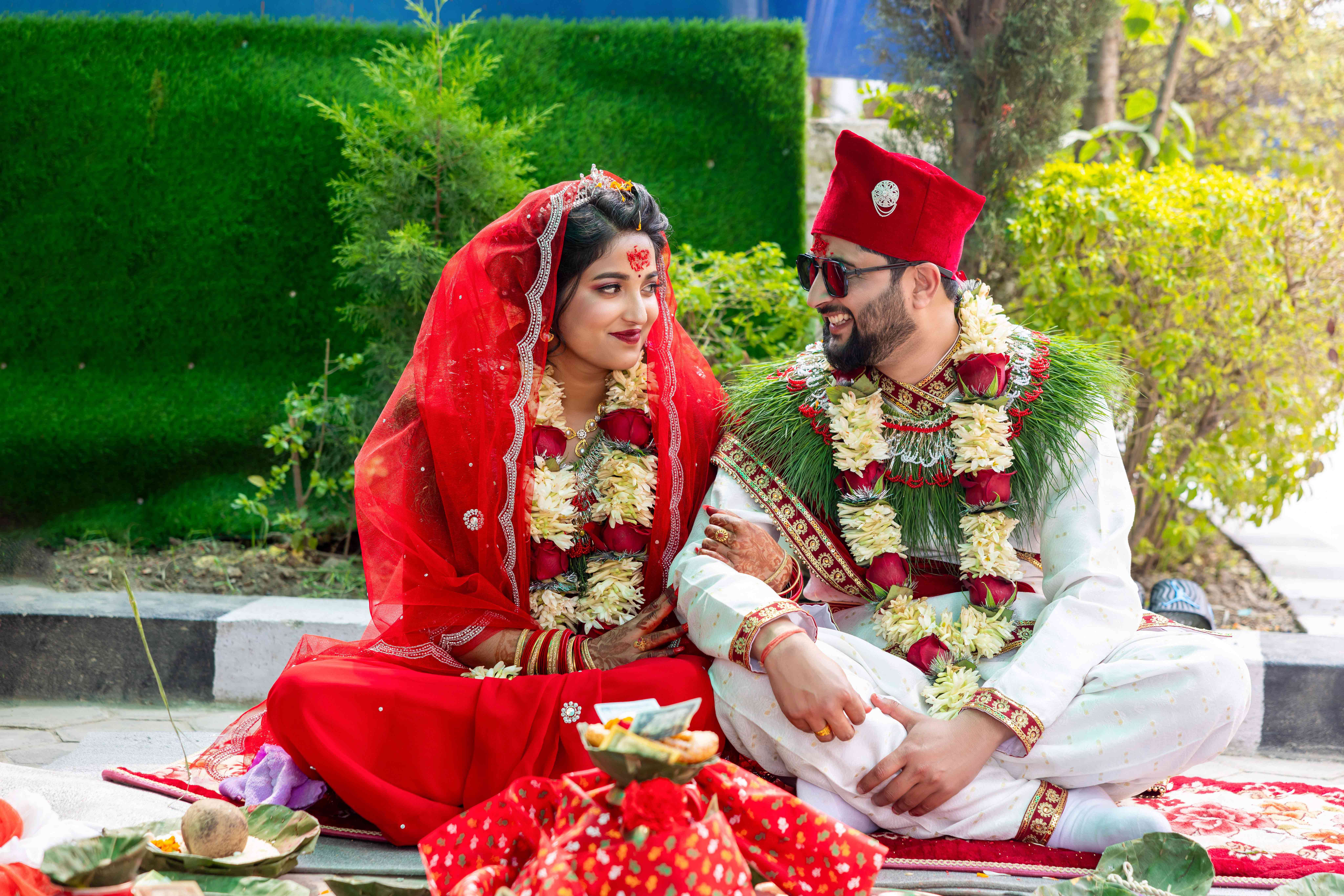
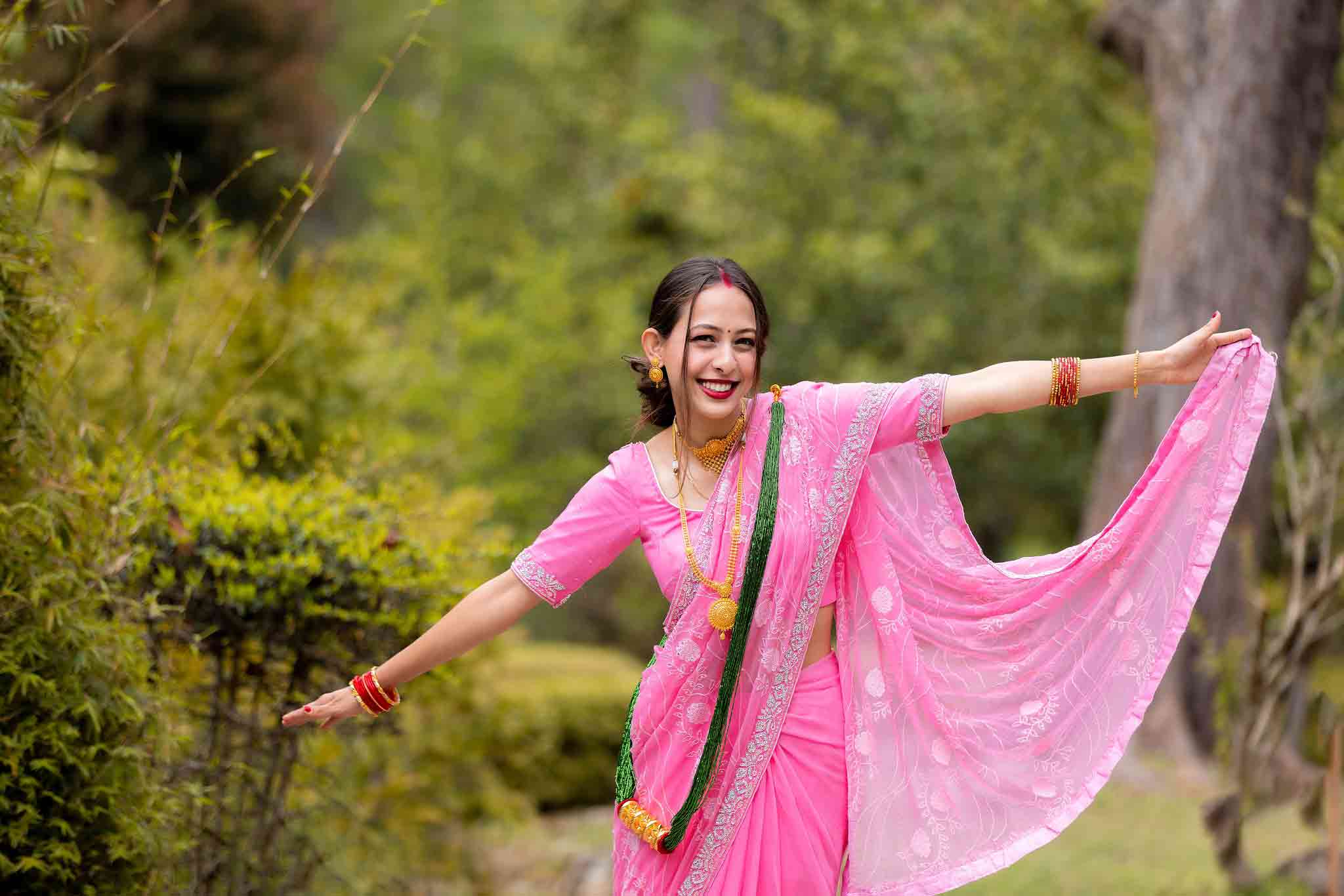
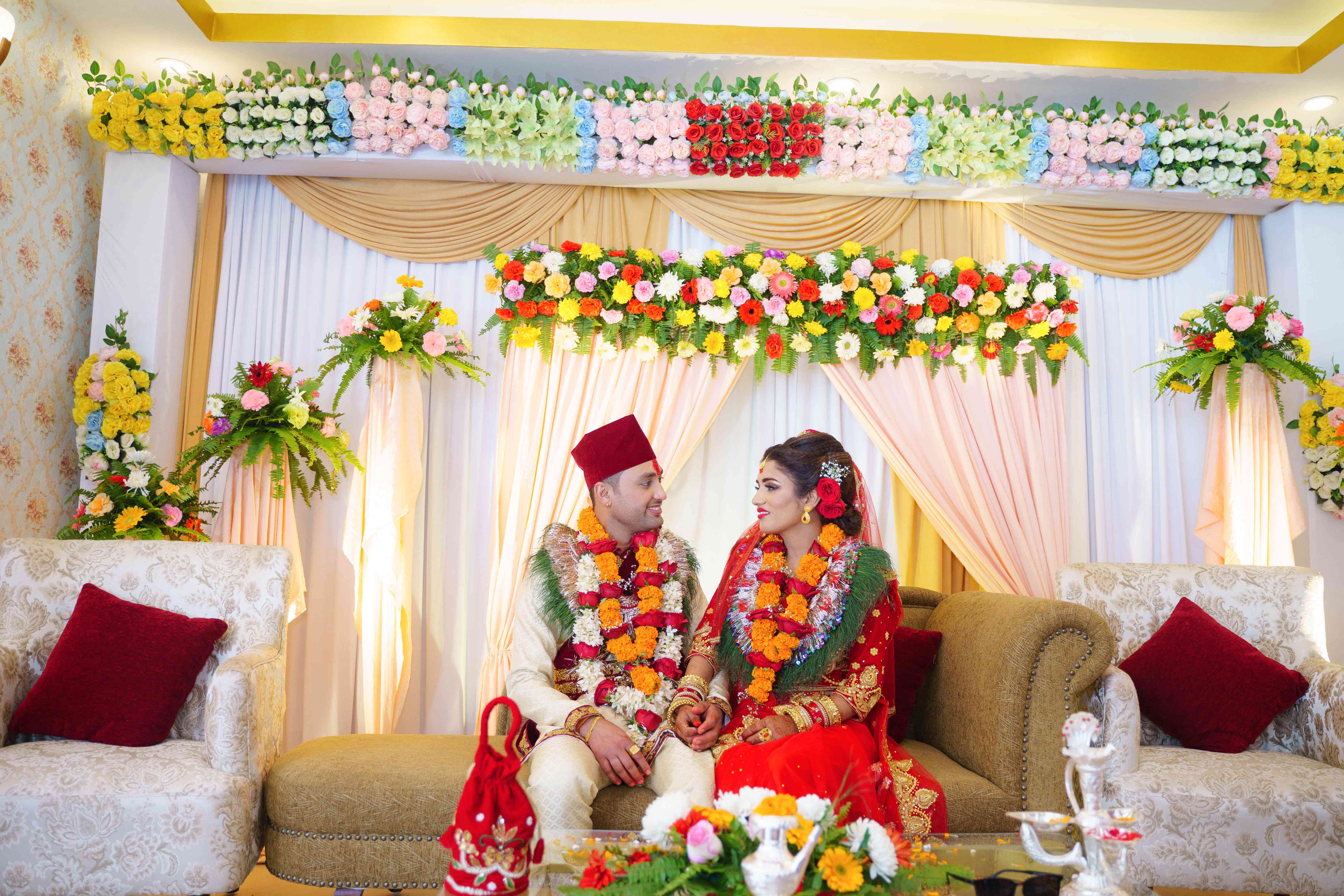
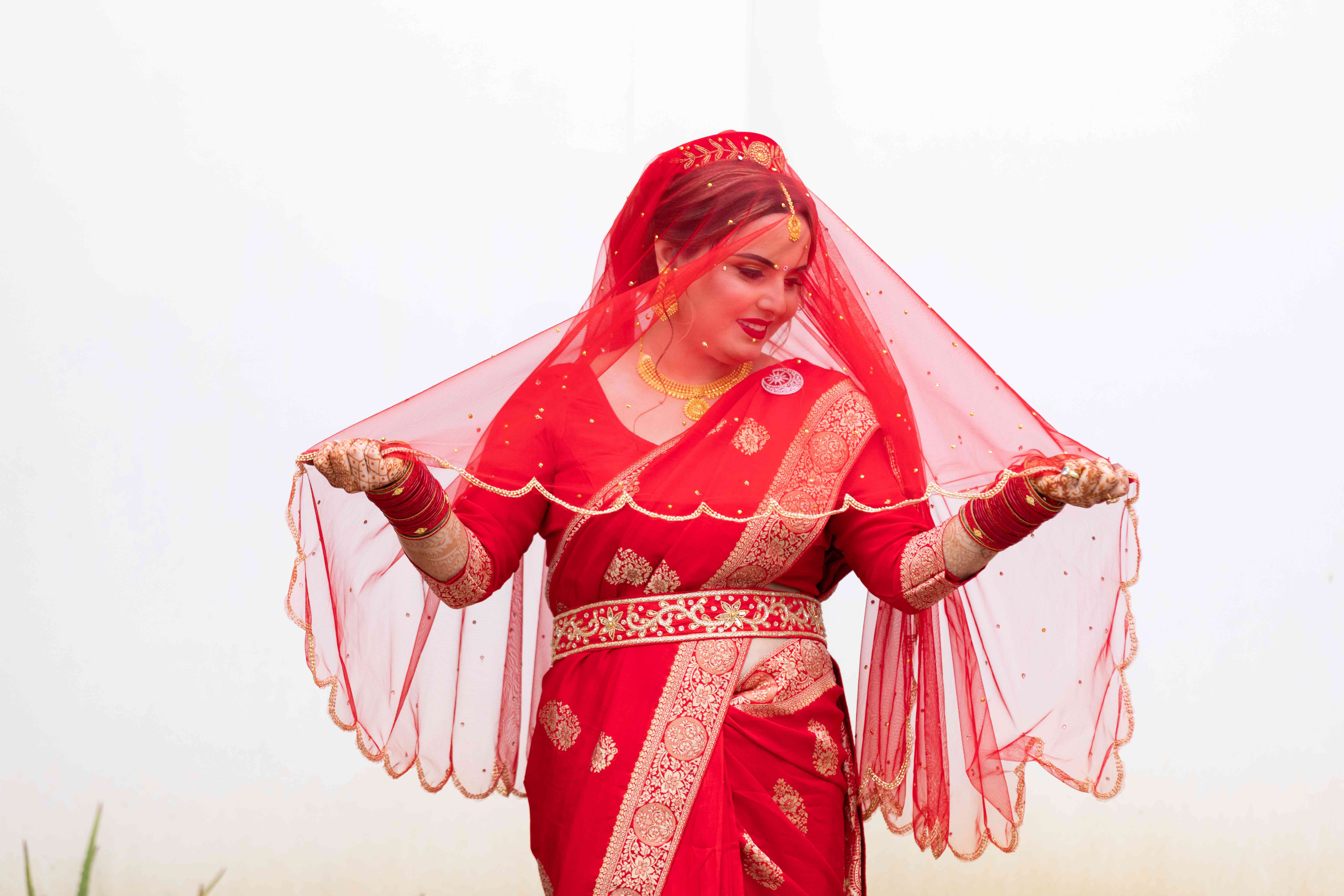
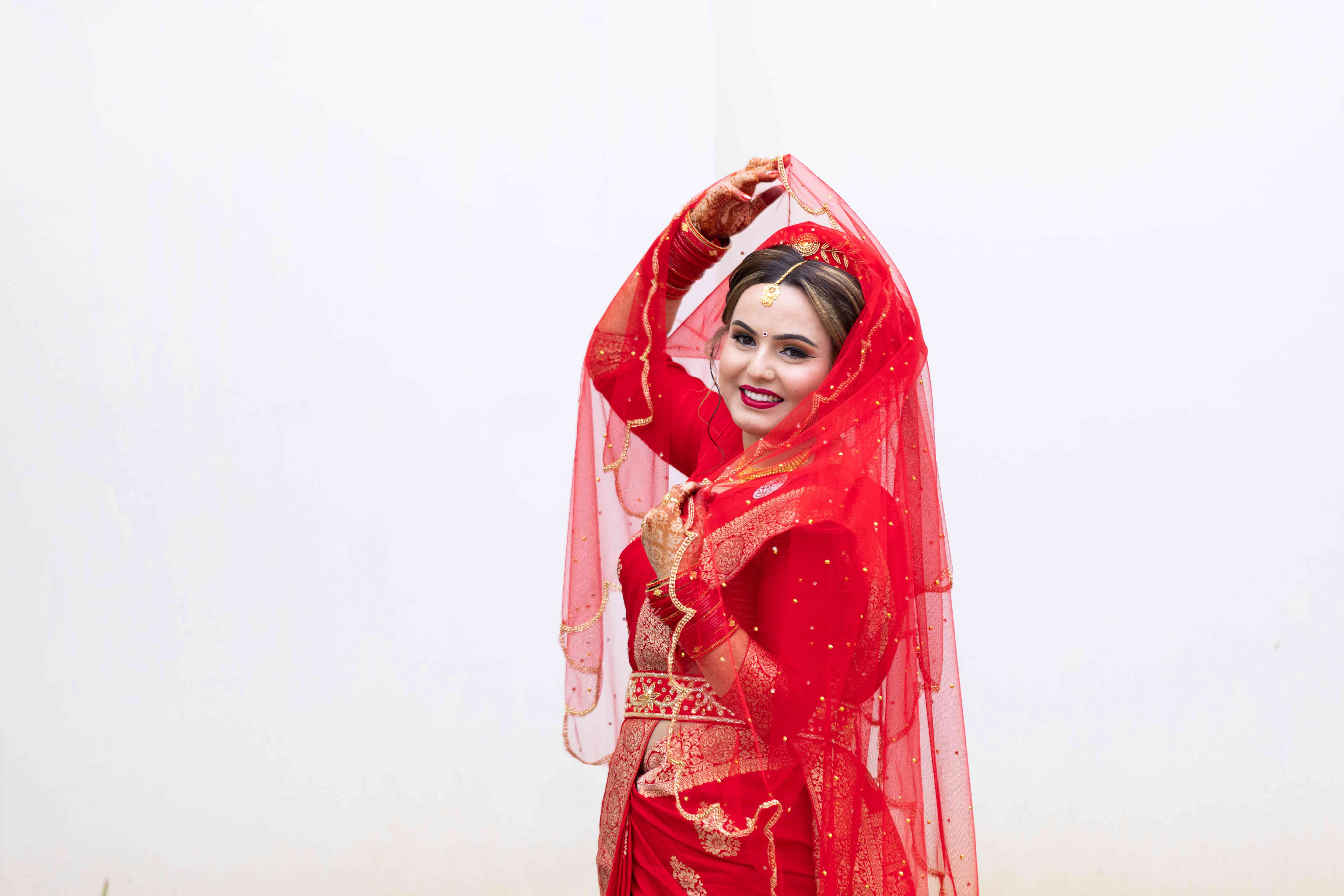
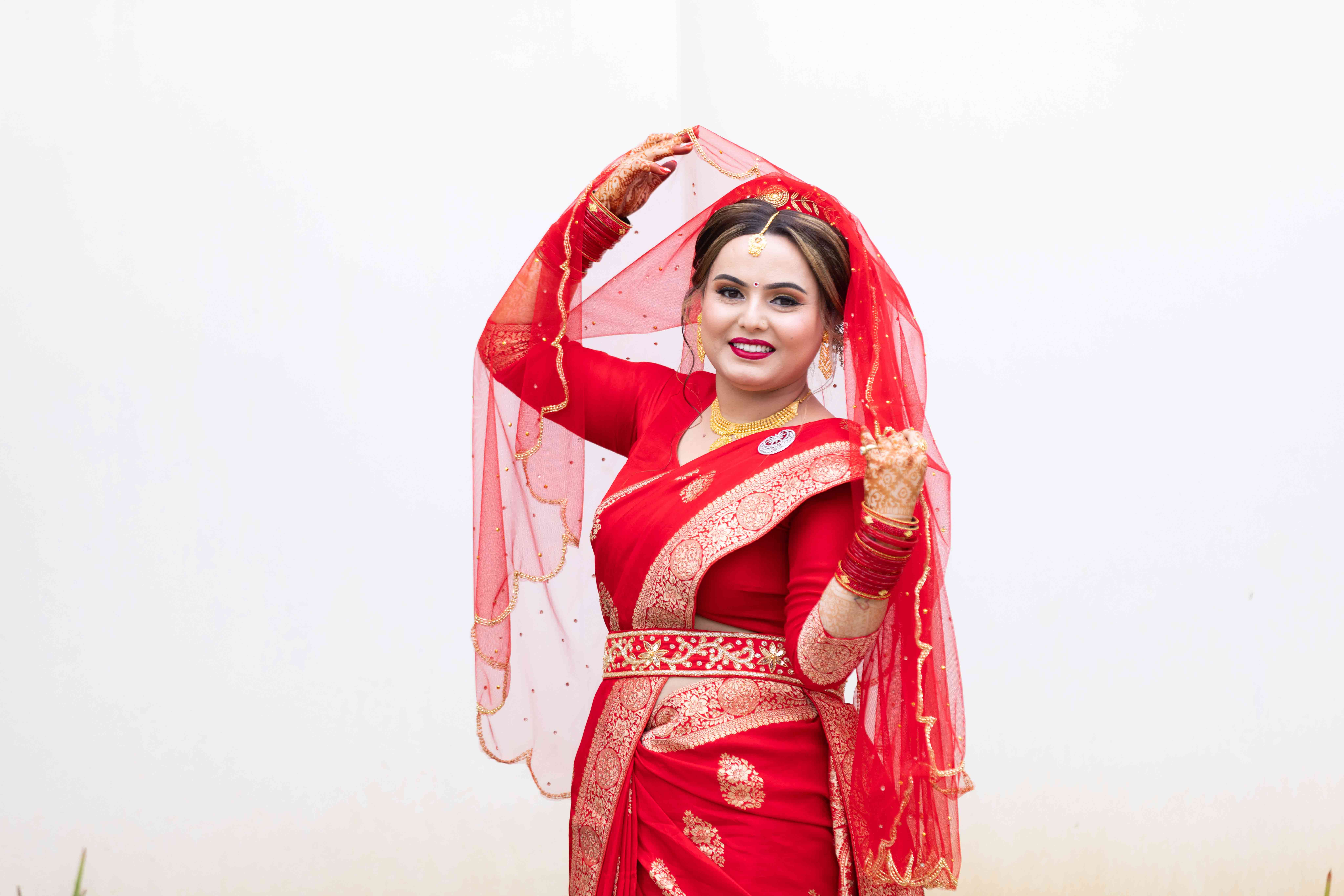
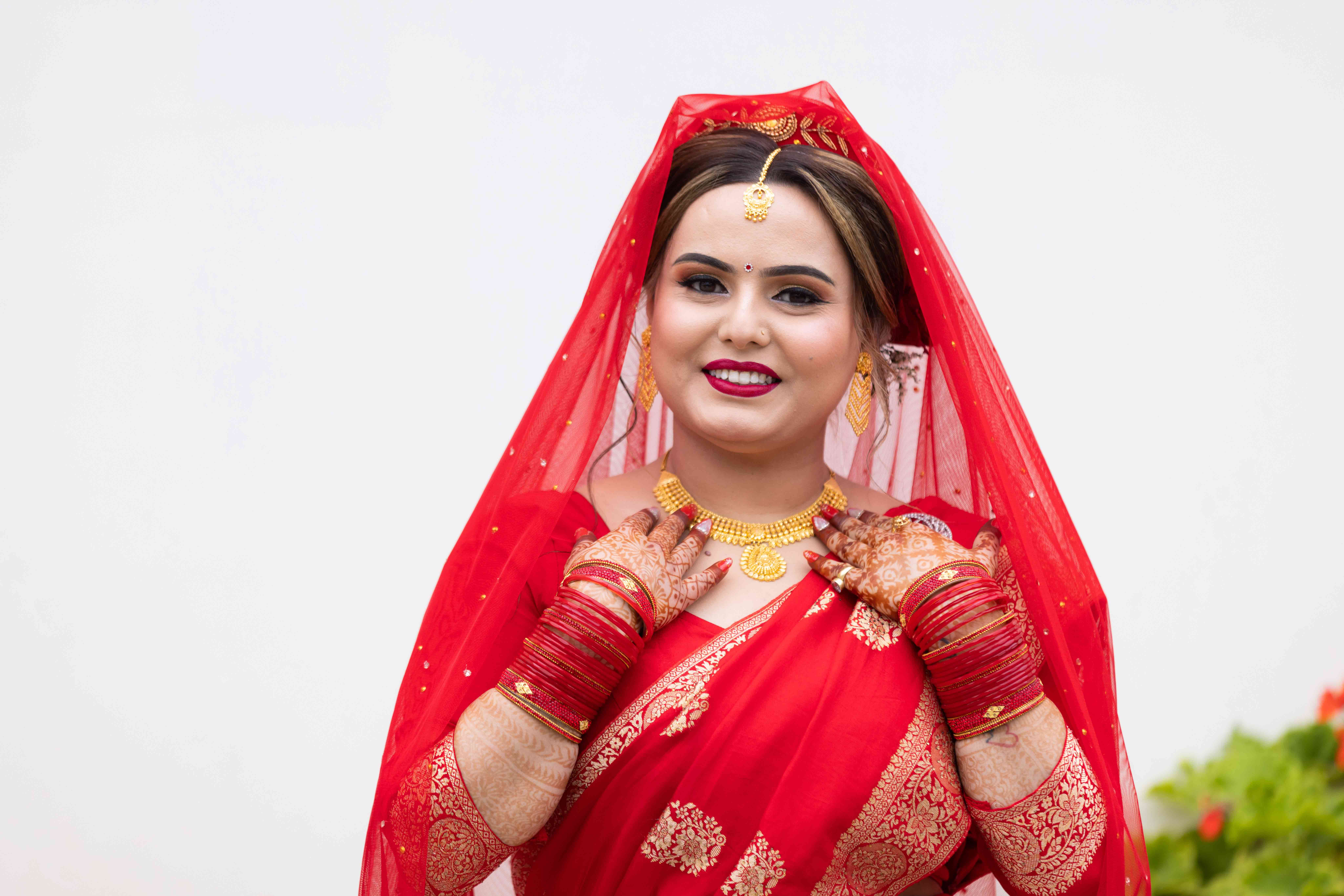
A Nepali cultural wedding is a vibrant and deeply traditional event that reflects the rich heritage, religious beliefs, and ethnic diversity of Nepal. Wedding customs can vary significantly depending on ethnic group (e.g., Newar, Brahmin/Chhetri, Tharu, Gurung, Tamang, etc.), region, and religion (Hinduism and Buddhism being the most prominent). However, many ceremonies share common elements. Here's an overview of a typical Hindu Nepali wedding, one of the most prevalent forms: 🌸 Overview of a Traditional Nepali Hindu Wedding 1. Pre-Wedding Rituals a. Matchmaking / Arranged Marriage Traditionally arranged by parents or family elders. Astrological charts ("Kundali") are matched to ensure compatibility. b. Engagement Ceremony (Swayambar / Tikha-Tala / Mangal-Betra) The groom’s family visits the bride’s house with gifts and a symbolic proposal. Exchange of rings and blessing from elders. c. Mehendi and Haldi The bride is adorned with mehendi (henna) designs on her hands and feet. A haldi (turmeric) ceremony is performed for purification and beautification. 2. Wedding Day Rituals a. Janti (Wedding Procession) The groom arrives at the bride’s house or wedding venue with a procession of family and friends, accompanied by music and dance. The groom is often on a horse or decorated vehicle. b. Welcoming the Groom (Dwar Puja) The bride’s family greets the groom with traditional rituals. The bride’s father washes the groom’s feet, a gesture of respect. c. Kanyadaan (Giving Away the Bride) The bride’s parents formally offer their daughter to the groom. This is considered one of the highest forms of charity in Hinduism. d. Saptapadi (Seven Steps Around the Sacred Fire) The couple takes seven symbolic steps around the holy fire, making vows for their future together. They are bound by the Mangalsutra (sacred necklace) and Sindoor (vermilion applied to the bride's hair parting). 3. Post-Wedding Rituals a. Bidaai (Farewell) The emotional send-off where the bride leaves her family to join the groom’s. Often includes crying as a sign of emotional bonding. b. Aagaman (Arrival at Groom's Home) The bride is welcomed with traditional aarti (ritual) and games to break the ice with the new family. c. Reception A celebratory feast and party hosted by the groom’s family with music, food, and dancing. 🥻 Attire and Decorations Bride: Wears a red sari or lehenga, gold jewelry, and accessories like pote, chura, and tika. Groom: Often wears a Daura Suruwal (national dress), or a suit/sherwani. Decor: Mandap (wedding canopy), marigold flowers, oil lamps, and colorful drapes. 🌺 Unique Ethnic Traditions Newar Weddings: Include a special Ihi and Bara Tayegu ceremony where girls "marry" symbolic deities before human marriage. Gurung/Tamang: Often include more community-based dancing, singing (Rodhi Ghar), and less ritualistic elements. Tharu: Their wedding involves significant community involvement and rituals tied closely to nature and agriculture.